

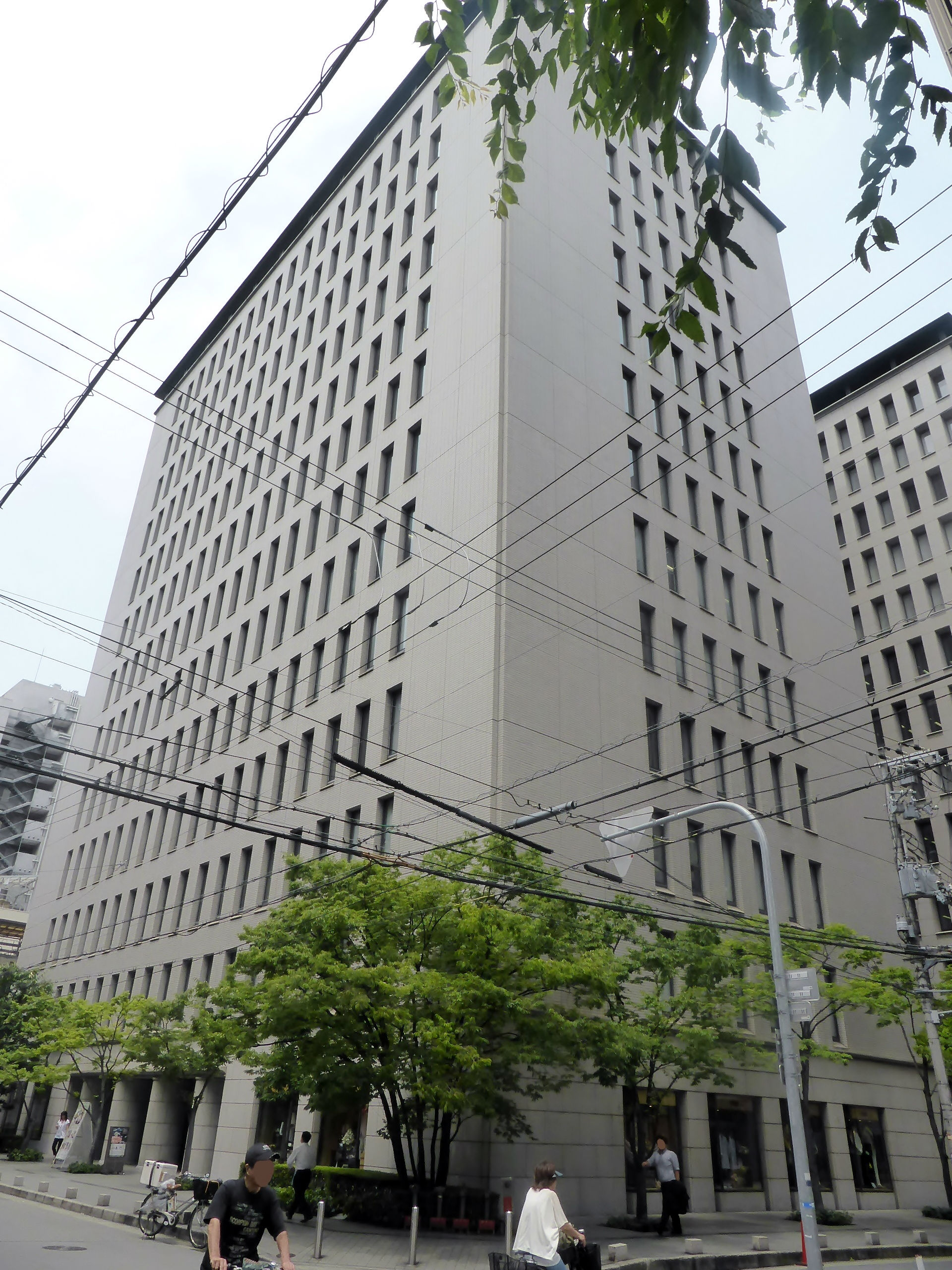
On November 24, 2015, Kurabo Industries Ltd. published a summary of a report setting out the findings of an investigation into improper transactions.
Misconduct can happen even at a long-established company founded more than 100 years ago. I am documenting it here as a case study.
Schemes Covered
Repurchase Agreement
This involves selling something after agreeing on an undisclosed condition along the lines of, “We’ll buy it back from you for such-and-such an amount, so just hold on to it for a while.”
In many cases, this does not constitute a sale in substance.
It is done to increase sales and to make unsalable goods (dead stock) appear salable.
Round-Tripping
The 2015 article explained it as follows:
Products are passed around in a loop, such as Company A → Company B → Company C → Company A, to increase sales. Merely increasing sales rarely becomes an issue for companies other than listed companies. But when greed takes over and they also end up inflating profit, one of the companies is eventually left holding the bag, and the whole thing blows up. The highly publicized IXI case (round-tripping that even embroiled IBM; Japanese) will probably still be fresh in many people’s minds.
Impact on the Nonconsolidated Financial Statements (From Fiscal 2010 Through the First Quarter of Fiscal 2015)
- Sales were overstated by approximately ¥1.06 billion.
- Pretax profit was overstated by approximately ¥290 million.
Why the Misconduct Occurred
The report concludes that the root causes were problems with the corporate culture of the Textile Business Group and a low awareness of proper standards regarding round-tripping.
If I were to add something to the report, it would be management’s lack of awareness. It is management’s responsibility to run a company with systems in place to prevent this sort of thing from happening and systems to check for it.